
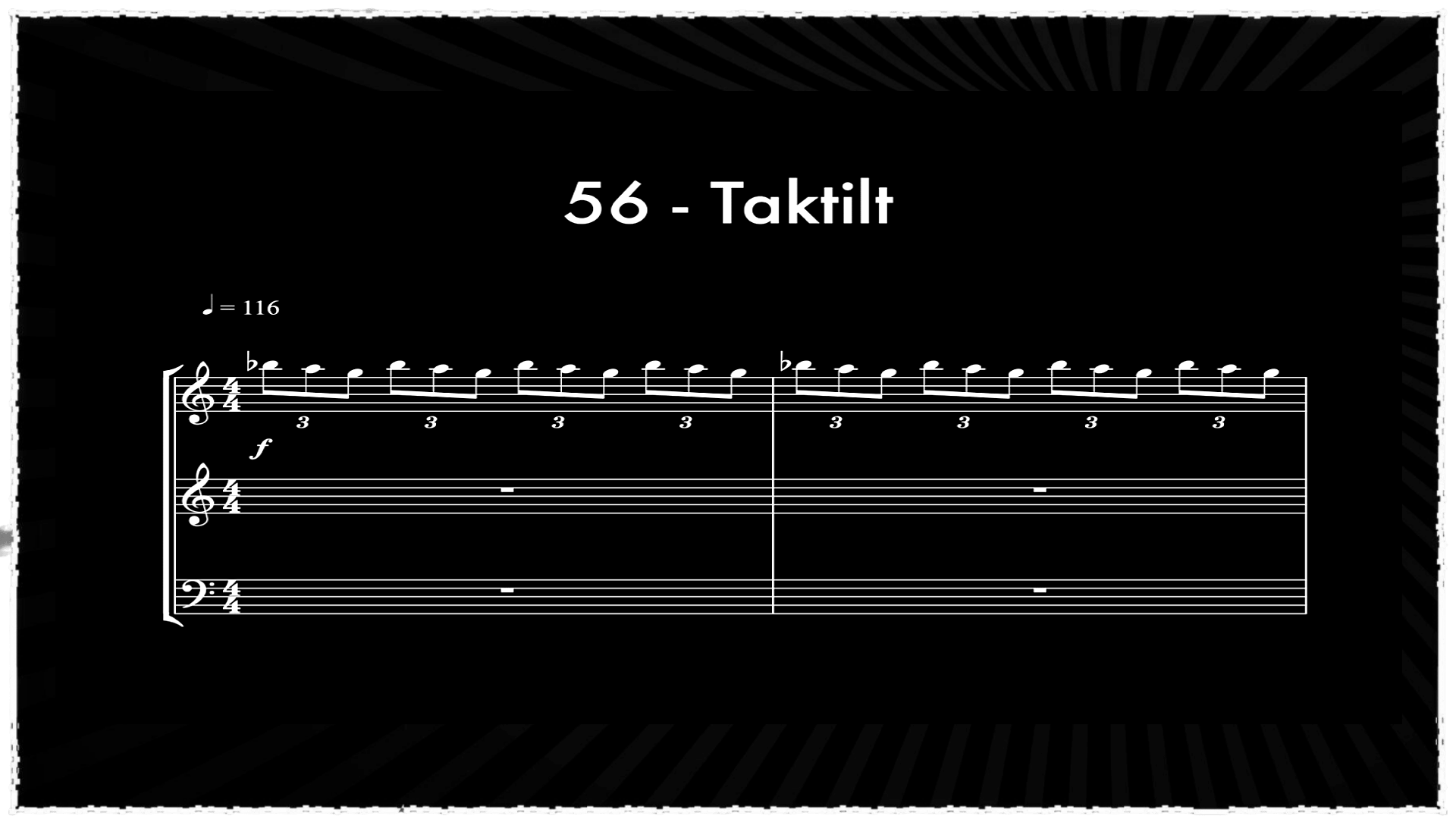
Here’s an Exercise to ring in the New Year: #56 Tactile. Inspired by the form of a Toccata, the name comes from the Italian word toccare (“to touch”). The Toccata originated in Renaissance Italy and developed over time, reaching its height in the Baroque era with composers like Johann Sebastian Bach. Known for their free-flowing, improvisatory style, Toccatas emphasize the performer’s touch, featuring rapid runs, arpeggios, and intricate passages that showcase both the instrument’s possibilities and the player’s skill.
Queneau, a founding member of the Oulipo group, was fascinated by how stylistic elements and constraints could transform a narrative. The Exercise “Tactile” explores touch in intricate detail, turning ordinary sensations into layered, unexpected descriptions. Similarly, the Toccata transforms physical contact with the instrument into a dynamic musical narrative, where touch becomes the central creative force. Both invite us to reconsider something as simple as contact—whether through sound or words—as a source of creativity.
The music, written and performed by Steinar, was realized using a sample library created by Soniccouture, based on the historic organ at All Saints Church, Tooting. This organ, built in 1906 by Harrison & Harrison and voiced by Arthur Harrison, is renowned for its delicate, quiet registers and powerful bass notes. Over 100 years old and tonally unaltered since its installation, it provides an authentic, timeless sound with a modern digital twist—capturing the tactile essence of both the Toccata and Queneau’s exploration of touch.
 Panzerpappa